
Ford Fiesta Battery Guide: Selection, Replacement & Maintenance
The best car battery for a Ford Fiesta depends on engine type, climate, and driving habits. For petrol models, a 12V battery with 45-60Ah capacity and 540-680 CCA (cold cranking amps) suits most conditions. AGM batteries are ideal for start-stop systems, while flooded lead-acid batteries work for standard setups. Top brands include Bosch S5, Yuasa Silver, and Exide Premium.
What Happens if a LiFePO4 Battery Gets Wet?
How to Choose the Right Battery for Your Ford Fiesta
Match the battery’s specifications to your Ford Fiesta’s manual, prioritizing CCA, Ah, and size (e.g., Type 027 or H5). For start-stop models, select AGM or EFB batteries. Verify terminal placement (positive on left/right) and secure fitment. Climate matters: higher CCA for colder regions, enhanced cycle life for frequent short trips.
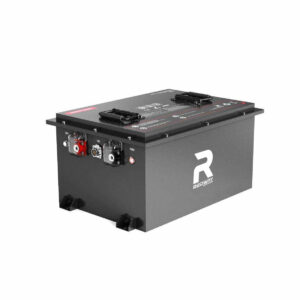
When selecting a battery, always cross-reference your vehicle’s manual for the manufacturer’s recommended group size and terminal configuration. Installing an incorrectly sized battery can lead to poor fitment, vibration damage, or electrical shorts. For example, a Type 027 battery may fit petrol models, while diesel variants often require larger H5 sizes. Terminal placement is equally critical—reversed polarity can fry sensitive electronics like ECUs or infotainment systems. In sub-zero climates, prioritize batteries with at least 20% higher CCA than factory specs to counteract thickened engine oil. Conversely, in hot climates, opt for batteries with heat-resistant separators to prevent acid stratification. If you frequently take short trips under 15 minutes, consider deep-cycle or EFB batteries that tolerate partial charging better than standard lead-acid types.
| Battery Type | CCA Range | Ideal Climate |
|---|---|---|
| Standard Flooded | 540-600 | Mild Temperatures |
| AGM | 680-750 | Extreme Cold/Heat |
| EFB | 600-650 | Urban Driving |
Why Does the Ford Fiesta Battery Drain Quickly?
Common causes include short trips (preventing full recharge), parasitic drains (faulty alternator, trunk lights, or aftermarket gadgets), extreme temperatures, and aging batteries. Test alternator output (13.7-14.7V when running). Use a parasitic drain tester to identify energy leaks. Avoid leaving infotainment systems on without the engine.
Frequent short trips under 10 minutes strain batteries because the alternator can’t replenish the charge used during engine cranking. Over weeks, this deficit leads to sulfation—a buildup on lead plates that reduces capacity. Parasitic drains are another stealthy culprit. Modern Fiestas have multiple control modules that draw 30-50mA when idle, but faulty components like glovebox lights or stuck relays can spike this to 200mA+, draining a 60Ah battery in days. Aftermarket dashcams or GPS trackers exacerbate the issue if wired to constant power circuits. To diagnose, use a multimeter set to DC amps between the negative terminal and cable. Readings above 50mA after 45 minutes (once modules sleep) indicate a problem. In winter, battery capacity drops by 30-40%, making drains more impactful. Pre-2012 models are prone to alternator diode failures, which cause slow discharge even when parked.
| Symptom | Possible Cause | Solution |
|---|---|---|
| Battery dies overnight | Parasitic drain | Test with multimeter |
| Slow crank in cold | Low CCA battery | Upgrade to AGM |
| Swollen case | Overcharging | Check alternator |
How to Replace a Ford Fiesta Battery Step-by-Step
1. Turn off the ignition and wear gloves.
2. Disconnect negative (-) terminal first, then positive (+).
3. Remove bracket/clamp securing the battery.
4. Lift out the old battery (avg. 15-20kg).
5. Clean terminals with baking soda/water.
6. Install new battery, securing it tightly.
7. Reconnect positive (+) terminal first, then negative (-).
8. Reset vehicle’s ECU/radio settings if needed.
Which Battery Technologies Work Best for Modern Ford Fiestas?
AGM (Absorbent Glass Mat) batteries excel in start-stop Fiestas, handling frequent cycles and vibration. Lithium-ion batteries offer lightweight performance but cost 3x more. Enhanced Flooded Batteries (EFB) are mid-tier for basic start-stop. Traditional lead-acid remains cost-effective for older models without energy recovery systems.
What Are the Costs of Replacing a Ford Fiesta Battery?
Prices range from £80 (basic lead-acid) to £220 (AGM). Labour costs £20-£50 if professionally installed. DIY saves fees but requires ECU reset tools for post-2012 models. Budget brands (e.g., Varta) start at £65, while premium options (Bosch S5) hit £150. Recycling old batteries often grants £10-15 credit.
Expert Views
“Ford Fiesta batteries demand precision,” says automotive engineer Martin Rowe. “AGM isn’t just a recommendation—it’s critical for models with regenerative braking. Using the wrong type can shorten battery life by 40%. Always reset the Battery Management System post-installation; skipping this causes undercharging and premature failure.”
Conclusion
Selecting and maintaining the correct battery ensures your Ford Fiesta remains reliable. Prioritize specs over brand hype, monitor warning signs, and invest in winter upkeep. Whether DIY replacement or professional service, aligning with your vehicle’s needs maximizes longevity and performance.
FAQs
- Can I use a higher-CCA battery in my Ford Fiesta?
- Yes, higher CCA improves cold starts but avoid exceeding 20% above OEM specs to prevent alternator strain.
- How long does a Ford Fiesta battery last?
- Typically 4-6 years. Shorter lifespan in start-stop models (3-5 years) due to frequent cycling.
- Does the Ford Fiesta MK8 require battery registration?
- Yes, 2017+ models need BMS reset via diagnostic tools to calibrate charging rates.
-
What is the best battery size for a Ford Fiesta?
For most US-market Ford Fiestas, the recommended battery size is Group 96R. However, European models may require Group 063 or 075 batteries, depending on the engine type and year. Always check the owner’s manual for specific requirements.What type of battery does the Ford Fiesta use?
The Ford Fiesta typically uses a 12V battery, with variations like Enhanced Flooded Batteries (EFB) or Absorbent Glass Mat (AGM) for models with stop-start systems or cold-weather conditions. EFBs and AGMs provide enhanced performance for modern vehicles.How do I know if my Ford Fiesta needs a new battery?
Signs that your Ford Fiesta may need a new battery include slow engine cranking, dim headlights, or warning lights on the dashboard. A battery that’s over 3-4 years old is also more likely to fail.Can I use an AGM battery for my Ford Fiesta?
Yes, an AGM battery is ideal for Ford Fiesta models, especially those with stop-start technology. AGM batteries offer superior performance, longer life, and better cold-cranking amps (CCA), making them perfect for extreme temperatures.How often should I replace my Ford Fiesta’s battery?
It’s recommended to replace the battery every 3-5 years, depending on the climate and driving conditions. Regular maintenance checks can help prevent unexpected failures.What is the difference between EFB and AGM batteries for the Ford Fiesta?
EFB batteries are more affordable and suitable for cars with stop-start technology, providing good durability. AGM batteries, however, offer superior cold-cranking amps and longer lifespan, making them ideal for harsh climates and frequent battery cycling.Can I use a non-OEM battery in my Ford Fiesta?
While you can use a non-OEM battery, it’s essential to ensure it meets the specifications outlined in your Ford Fiesta’s manual. OEM batteries are typically designed for optimal performance and longevity in your vehicle.How do I maintain my Ford Fiesta’s battery?
To maintain your Ford Fiesta’s battery, clean the terminals regularly, check for corrosion, and ensure it’s securely fastened. If the car isn’t driven often, consider using a battery maintainer to prevent discharge.Fasta Power provides high-performance battery solutions, including for automotive applications, ensuring long-lasting, reliable energy.