
What Are the Best Rated RV Batteries for Reliable Power?
The best-rated RV batteries include lithium-ion (e.g., Battle Born, Renogy) and AGM (e.g., Lifeline, VMAX) options, prioritized for longevity, deep-cycle performance, and maintenance needs. Lithium batteries excel in energy density and lifespan, while AGM offers affordability and vibration resistance. Top brands balance capacity, durability, and compatibility with RV solar setups.
How Can You Maximize Energy Efficiency With a 3000-Watt Solar System?
How Do Lithium-Ion Batteries Compare to AGM for RV Use?
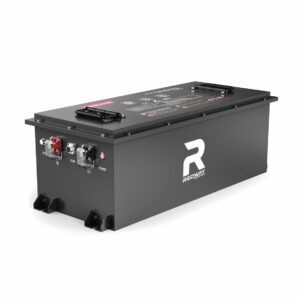
Lithium-ion batteries outperform AGM in energy density, charge cycles (3,000+ vs. 500–1,000), and weight efficiency but cost 2–3x more. AGM batteries are maintenance-free, handle vibrations better, and suit budget-conscious users. Lithium thrives in solar/RV off-grid setups due to faster charging and deeper discharge tolerance (90% vs. 50% for AGM).
What Are the Key Features of Top-Rated Deep Cycle RV Batteries?
Top deep-cycle RV batteries prioritize amp-hour (Ah) capacity (100–300Ah), depth of discharge (DoD), and cycle life. Lithium models like Lion Energy UT1300 offer 100% DoD, while AGM variants like Odyssey PC1800 provide 80% DoD. Built-in battery management systems (BMS), corrosion resistance, and compatibility with inverters/solar chargers are critical for reliability.
Why Is Battery Capacity Critical for Boondocking and Off-Grid RVing?
Boondocking demands high-capacity batteries (200Ah+) to power appliances without shore connections. Lithium batteries (e.g., Renogy 200Ah) sustain longer runtime due to higher usable capacity. AGM options like Trojan T-105 require larger banks for equivalent output. Capacity directly impacts running refrigerators, lights, and HVAC systems during extended off-grid stays.
How Does Temperature Affect RV Battery Performance and Lifespan?
Extreme cold reduces lithium-ion efficiency (requires built-in heaters, like Battle Born), while heat accelerates AGM degradation. Optimal temperatures range from 50°F–85°F. Lithium handles -4°F–135°F with BMS protection, whereas AGM suffers sulfation below 32°F. Insulated battery compartments and ventilation are essential for longevity in variable climates.
Temperature fluctuations can significantly impact charging efficiency. For example, lithium batteries lose up to 30% of their charge acceptance rate in sub-freezing conditions without heating systems. AGM batteries, while less sensitive to cold during discharge, experience reduced capacity in high heat. To mitigate these effects, RVers should monitor battery temperature sensors and consider compartment insulation or active thermal management systems. Lithium’s built-in BMS often includes temperature cutoff features, while AGM users may need to manually adjust charging voltages seasonally.
| Battery Type | Operating Temp Range | Cold Weather Solution |
|---|---|---|
| Lithium-Ion | -4°F to 135°F | Integrated heaters |
| AGM | 32°F to 104°F | Insulated enclosures |
What Are the Best Charging Practices to Extend RV Battery Life?
Use smart chargers (e.g., NOCO Genius) with voltage/current tailored to battery chemistry. Lithium requires 14.4–14.6V absorption; AGM needs 14.7V. Avoid discharging below 20% for AGM or 10% for lithium. Equalize AGM batteries quarterly and store at 50% charge. Solar MPPT controllers (e.g., Victron) optimize renewable charging.
Which RV Battery Brands Offer the Longest Warranties?
Battle Born (10-year), Lifeline AGM (8-year), and Renogy (5-year) lead in warranty coverage. Warranties often require professional installation and exclude improper charging. Lithium warranties typically cover 3,000–5,000 cycles, while AGM warranties focus on pro-rated capacity loss over 3–5 years.
Warranty terms often reflect a manufacturer’s confidence in their product. Battle Born’s decade-long coverage stems from lithium’s robust cycle life, while Lifeline’s AGM warranty accounts for its thick lead plates and corrosion-resistant design. However, most warranties void if batteries are discharged beyond recommended levels or stored improperly. Always review the fine print—some brands require registration within 30 days of purchase or limit coverage for commercial use. For frequent boondockers, lithium’s longer warranty period often justifies the higher initial investment.
| Brand | Warranty Length | Key Conditions |
|---|---|---|
| Battle Born | 10 years | No deep discharge abuse |
| Lifeline | 8 years | Professional installation required |
| Renogy | 5 years | Must use approved chargers |
Expert Views
“Modern RVers increasingly opt for lithium due to its ROI despite higher upfront costs. A 100Ah lithium battery delivers usable energy equivalent to 200Ah AGM, reducing weight and space. However, AGM remains viable for moderate users who prioritize upfront savings and don’t require daily deep cycling.” — Industry Expert, RV Power Solutions
Conclusion
Choosing the best-rated RV battery hinges on balancing budget, energy needs, and usage patterns. Lithium-ion excels for heavy-duty off-gridding, while AGM suits occasional travelers. Prioritize warranties, temperature resilience, and compatibility with charging systems to maximize ROI and ensure uninterrupted adventures.
When considering a lithium RV battery review, many users highlight the superior performance and longevity of lithium iron phosphate (LiFePO4) batteries compared to traditional lead-acid types. These batteries offer longer cycle life—often 3,000 to 6,000 cycles—meaning they can last 10 years or more, making them ideal for RV owners who frequently dry camp or boondock. Reviews consistently praise lithium batteries for their lighter weight, faster charging times, and ability to safely discharge deeper without damage. A lifepo4 battery manufacturer like Fasta Power emphasizes these benefits, noting that lithium batteries provide more usable capacity and enhanced safety features such as built-in battery management systems. Whether you’re searching for general RV battery reviews or specific RV lithium battery reviews, the consensus is clear: lithium batteries deliver reliable, maintenance-free power that significantly improves the RV experience, especially for extended off-grid adventures. Choosing a quality lithium battery from trusted suppliers like RV & Golf Cart Batteries Factory Wholesale ensures long-term satisfaction and performance.
FAQs
- Can I mix lithium and AGM batteries in my RV?
- No—different charging profiles and voltages risk damage. Stick to one chemistry per bank.
- How often should I replace my RV battery?
- AGM lasts 3–5 years; lithium lasts 8–12 years, depending on cycles and maintenance.
- Are gel batteries better than AGM for RVs?
- Gel offers slightly better deep cycling but slower charging and higher cost, making AGM more popular.
-
What are the best RV batteries for reliable power?
Lithium (LiFePO4) batteries are the top choice for RVs due to their long lifespan, fast charging, and lightweight design. Brands like Battle Born and Renogy lead the market, offering efficient and reliable power. AGM batteries, such as those from Renogy, are also a good alternative for budget-conscious users.Why are lithium batteries the best option for RVs?
Lithium batteries are favored for RVs because they offer a longer lifespan (up to 5,000 cycles), fast charging, and the ability to be discharged deeper without damage. They are also lighter and require no maintenance, making them a perfect fit for off-grid and full-time RV living.Are AGM batteries a good choice for RVs?
AGM batteries are a solid mid-range option for RVers, offering low maintenance and good temperature performance. While they don’t last as long as lithium batteries, they are more affordable and suitable for seasonal or part-time RV users.What brands are recommended for RV lithium batteries?
Top lithium battery brands for RVs include Battle Born, Renogy, and MANLY. These brands provide reliable, high-performance batteries with excellent longevity, ideal for full-time or off-grid RVing.How long do RV batteries last?
Lithium batteries can last up to 5,000 cycles, while AGM batteries typically last 3-5 years. The lifespan of your RV battery depends on usage patterns, temperature conditions, and proper maintenance.What is the best RV battery for boondocking?
For boondocking, lithium (LiFePO4) batteries are the best choice due to their deep discharge capabilities, long lifespan, and ability to charge quickly. Renogy and Battle Born are popular brands for reliable off-grid power.What are the advantages of gel cell batteries for RVs?
Gel cell batteries provide excellent temperature performance and low maintenance. However, they tend to be heavier and have a shorter lifespan compared to lithium batteries, making them suitable for those prioritizing temperature stability over long-term power needs.Which is better for RVs: AGM or lithium?
Lithium batteries are better for long-term RV use due to their extended lifespan, deeper discharge capabilities, and faster charging. AGM batteries are a cost-effective option but require more frequent replacement and offer lower performance in extreme conditions.